
Who We Help
Who We Help
Every child is different, and families come to Moving Mountains Village for many different reasons.
You might be looking for support following a diagnosis of autism, ADHD or developmental delay. Your child’s teacher may have raised concerns about handwriting, attention, coordination or school readiness. Or you may simply be noticing that everyday tasks , such as getting dressed, managing big feelings, joining in with other children or coping with changes may seem harder than they should be.
You don’t need to have all the answers before reaching out.
Our paediatric occupational therapists and behaviour therapists support children and young people across the St George area, Sutherland Shire and surrounding Sydney suburbs. We work with children with diagnosed conditions as well as children who do not have a diagnosis but may benefit from some extra support.
Children We Support
-
We support autistic children to participate in everyday life in ways that recognise their individual strengths, preferences and support needs.
Occupational therapy may support areas such as sensory processing, emotional regulation, play, motor skills, self-care, feeding, school participation and independence.
Our approach is neurodiversity-affirming. Rather than trying to change who a child is, we look at what may be making participation difficult and how we can support the child, the people around them and their environment.
-
Children with ADHD may experience differences with attention, executive functioning, emotional regulation, organisation, impulse control and sensory processing.
For some children, these differences can make everyday routines, classroom participation, handwriting, friendships or completing tasks more challenging.
Our occupational therapists work with children and families to develop practical strategies that support participation at home, school and in the community.
-
Some children take longer to develop skills such as playing, moving, communicating, using their hands or becoming independent in everyday routines.
Our paediatric occupational therapists support children with developmental delays and Global Developmental Delay (GDD) through play-based therapy focused on the skills that matter in everyday life.
This may include fine and gross motor skills, play, self-care, school readiness, sensory processing and participation in home, preschool or school routines.
-
Children don’t always fit neatly into one diagnosis or description.
We support children with a wide range of developmental, neurological and learning differences, including Intellectual Disability, Developmental Coordination Disorder (DCD), learning difficulties and other developmental conditions.
We also work with children who have multiple diagnoses, are currently undergoing assessment, or do not have a formal diagnosis at all.
Rather than focusing on a diagnostic label, we look at how your child is managing in everyday life, what they enjoy, what they find difficult and where additional support could help them participate with greater confidence and independence.
This might include support with motor skills, handwriting, attention and organisation, sensory processing, emotional regulation, play, self-care, school participation or everyday routines.
-
Does your child become overwhelmed by noise, clothing, busy environments or certain textures? Perhaps they are constantly moving, crashing, climbing or seeking strong sensory experiences.
Sensory differences can influence how a child feels and participates throughout their day.
Occupational therapy can help families better understand their child’s individual sensory needs and develop practical ways to support comfort, regulation and participation across everyday environments
-
Big emotions are part of childhood, but some children need more support to recognise what is happening in their body, communicate what they need and move through difficult moments.
We support children who may experience frequent overwhelm, frustration, difficulty with transitions, emotional outbursts or challenges coping when things do not go as expected.
Depending on your child’s needs, support may include occupational therapy, behaviour intervention, parent coaching or working collaboratively with their school or preschool.
-
No. Your child does not need a diagnosis to access occupational therapy at Moving Mountains Village.
Many families contact us because they have noticed that something is getting in the way of their child participating in everyday life. Others come to us following a recommendation from a teacher, preschool educator, GP, paediatrician or another health professional.
Whether your child has a diagnosis, is currently undergoing assessment, or you simply have concerns about their development, we can start by understanding what is happening for your child and family.
How We Can Support Your Child
Emotional Regulation & Big Feelings
Big emotions are part of childhood, but some children need more support to recognise what is happening in their body, communicate what they need and move through difficult moments.
We support children who experience frequent overwhelm, frustration, difficulty with transitions, emotional outbursts or challenges coping when things don't go as expected.
Support may involve working directly with your child, helping parents understand what sits behind their responses, adapting environments and routines, or working collaboratively with school or preschool.
Attention, Organisation & Executive Functioning
Some children know what they need to do but have difficulty getting started, staying focused, remembering instructions, organising themselves or completing a task.
We can support children to develop practical strategies for attention, planning, organisation, working memory and managing everyday routines.
This can be particularly helpful as children become more independent at school and the demands placed on them increase.
Sensory Processing Differences
Does your child become overwhelmed by noise, clothing, busy environments or certain textures? Or perhaps they are constantly moving, crashing, climbing or seeking strong sensory experiences.
Sensory differences can influence how a child feels and participates throughout their day.
Occupational therapy can help you better understand your child's individual sensory needs and develop practical ways to support comfort, regulation and participation at home, school and in the community.
Self Care Routines
Self care routines like getting dressed, using the toilet, brushing teeth, eating and settling to sleep can involve a lot of different skills. When these routines are difficult, they can have a big impact on the whole family.
Our occupational therapists can help understand what might be making everyday activities harder for your child and develop practical strategies that work within family life.
We can support children with:
Dressing, toileting and personal care — building the skills and independence needed for everyday self-care routines.
Feeding and mealtimes — supporting children with fussy or restrictive eating, sensory differences around food, exploring new foods and participating in family mealtimes.
Sleep and bedtime routines — looking at sensory needs, regulation, routines and environmental factors that may be making it difficult for your child to settle and prepare for sleep.
Everyday independence — developing skills for tasks such as using cutlery, packing a school bag, managing belongings and completing daily routines.
Fine Motor Skills & Handwriting
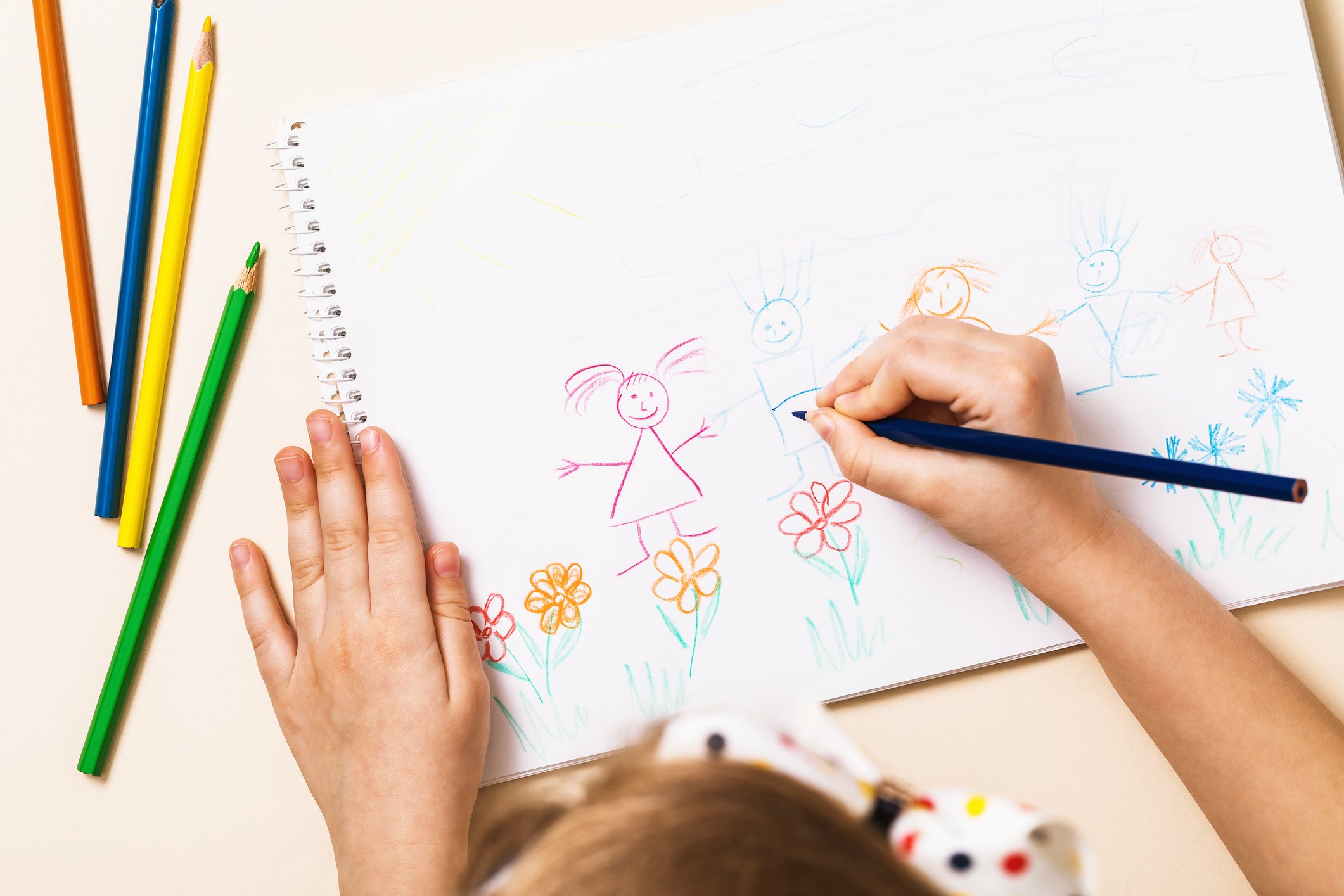
You might notice that your child avoids drawing or writing, tires quickly when using a pencil, has difficulty forming letters, struggles with scissors or finds tasks involving their hands more difficult than their peers.
Our occupational therapists can assess the skills underlying these tasks and provide targeted support for hand strength, coordination, pencil control, handwriting and everyday fine motor skills.
Behaviour Support
When behaviour becomes challenging, we want to understand what is happening underneath it.
Our behaviour team supports children who may experience behaviours of concern, difficulty with transitions, frustration, emotional regulation, engagement or coping with everyday expectations.
We work alongside children, parents and educators to understand the factors contributing to behaviour and build practical strategies and skills that can be used across everyday environments.
Learn more about Behaviour Support
Gross Motor Skills & Coordination
Running, jumping, catching, balancing and learning new movements involve many skills working together.
Children with motor coordination difficulties may appear clumsy, avoid playground or sporting activities, have trouble learning new physical skills or need more practice than their peers.
Occupational therapy can support coordination, balance, motor planning and confidence so children can participate more fully in the activities they want and need to do.
Gross Motor Skills & Coordination
Running, jumping, catching, balancing and learning new movements involve many skills working together.
Children with motor coordination difficulties may appear clumsy, avoid playground or sporting activities, have trouble learning new physical skills or need more practice than their peers.
Occupational therapy can support coordination, balance, motor planning and confidence so children can participate more fully in the activities they want and need to do.