
The Hidden Impact of Hypermobility on Pencil Grasp
Research shows that children with hypermobility often experience reduced muscle strength, joint stability, and endurance. These factors play a significant role in how a child develops a functional and efficient pencil grasp.
When children begin learning to write, it’s easy to focus on pencil type, handwriting worksheets, and letter formation. But beneath those early writing skills lies something far more fundamental, how a child’s body supports their hand to hold and control a pencil.
For some children, particularly those with hypermobility, this foundation can be a little wobbly, quite literally!
What is Hypermobility?
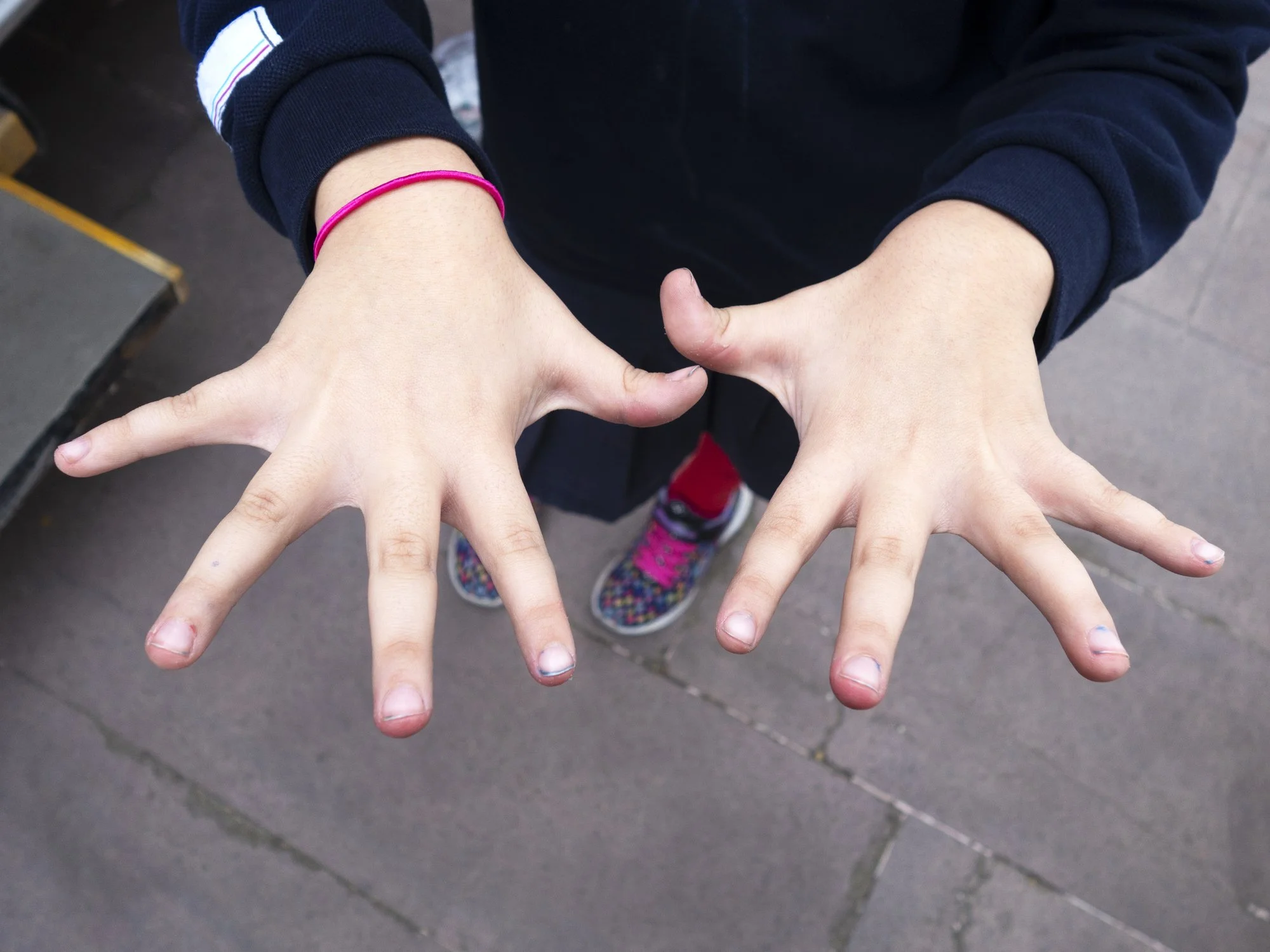
Hypermobility means that a child’s joints move beyond the typical range of motion. It’s sometimes called being “double-jointed,” but it’s more than flexibility. Hypermobility occurs when the connective tissues, the ligaments that stabilise joints, are extra stretchy.
While this flexibility can be advantageous in some activities like dance or gymnastics, it can also make everyday tasks that require endurance, stability, and fine motor control, such as writing, cutting, or dressing, more difficult.
Research shows that children with hypermobility often experience reduced muscle strength, joint stability, and endurance (Knight et al., 2021; Clinch & Eccleston, 2009). These factors play a significant role in how a child develops a functional and efficient pencil grasp.
How Hypermobility Affects Pencil Grasp
To hold and control a pencil effectively, the small muscles of the hand and fingers need to work in harmony with the larger muscles of the shoulder and core. When a child has hypermobile joints in their hands, wrists, or fingers, several challenges can appear:
Low joint stability: The fingers may “collapse” or bend backwards when pressing on the pencil, making it harder to control pressure or direction.
Fatigue and pain: Hypermobility can cause hand muscles to tire quickly, leading children to lose interest or avoid drawing and writing tasks.
Compensatory grips: To gain stability, children often develop awkward grasps — such as wrapping their thumb around the pencil or holding it tightly — which can limit dexterity and fluidity later on.
Reduced fine motor precision: Without stable joints, the hand struggles to make the small, refined movements required for neat handwriting.
Over time, these patterns can become ingrained, making it much harder to correct once formal schooling begins.
Why It’s Important to Address Before School
School readiness isn’t just about knowing letters and numbers, it’s about having the strong foundations for learning. When hypermobility goes unrecognised, children may:
Fatigue quickly during writing tasks, impacting concentration and confidence
Experience discomfort or even pain in their hands
Avoid fine motor activities like drawing, colouring, or using scissors
Struggle to keep up with classroom demands, affecting self-esteem
Early intervention allows children to strengthen their fine motor foundation before the demands of daily writing begin. Occupational therapists can help identify if your child’s grasp difficulties are related to joint hypermobility and develop a plan to build stability, control, and confidence.
How an Occupational Therapist Can Help
A paediatric occupational therapist can assess your child’s joint range, muscle strength, and grasp pattern to determine how hypermobility is impacting their fine motor skills. Support might include:
Strengthening and stability activities – play-based exercises that target hand, shoulder, and core stability.
Adaptive grips or tools – trialling pencil grips or weighted pencils to reduce fatigue and improve control.
Skill-building through play – games and activities that build fine motor coordination in a fun, meaningful way.
Parent education – strategies for everyday play that support your child’s development at home.
The goal isn’t to rush handwriting, rather it’s to prepare your child’s body to enjoy it.
What Parents Can Look Out For
If you notice your child:
Holds their pencil awkwardly or changes their grip often
Tires easily when colouring or drawing
Avoids fine motor tasks or complains of sore hands
Has fingers that bend backwards or appear “floppy”
… it may be worth having an occupational therapy assessment before they start school.
Hypermobility is common and often overlooked. But when it comes to early writing success, understanding how it affects your child’s body can make all the difference. Supporting joint stability and fine motor strength early can help your child enter school feeling confident, comfortable, and ready to write.
Why Hand Dominance Matters Before Starting School
If your child is starting school soon, this is the perfect time to understand how hand dominance develops and why it matters before they walk into the classroom.
As parents, we spend the year before school making sure our children are ready in so many ways, recognising their name, following routines, making friends. But one important piece of school readiness that often goes unnoticed is hand dominance.
If your child is starting school in 2026 or 2027, this is the perfect time to understand how hand dominance develops and why it matters for your child’s confidence and coordination once they walk into the classroom.
What is Hand Dominance?
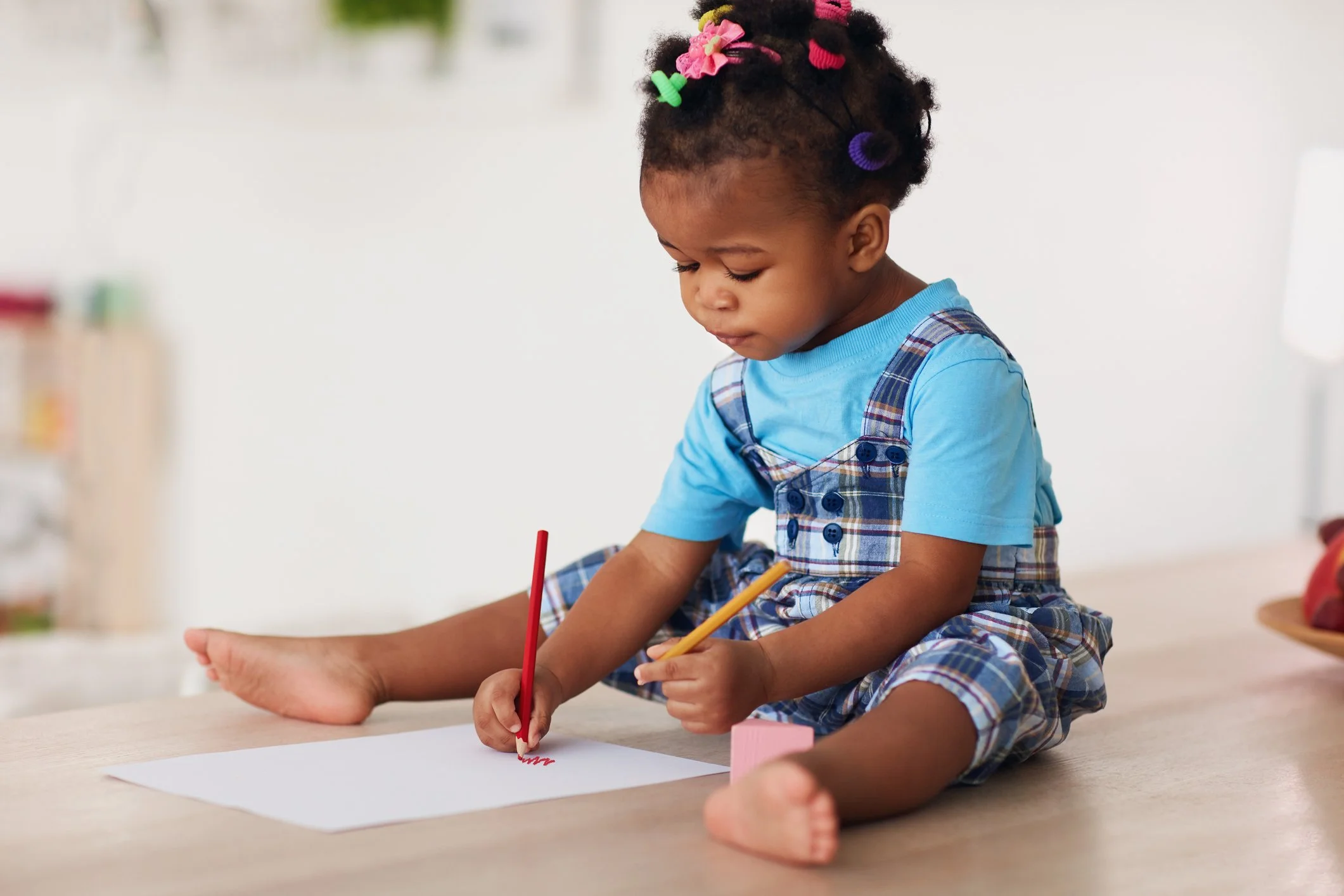
Hand dominance, or hand preference, is when a child consistently uses one hand for skilled tasks such as drawing, cutting or writing, while the other hand supports or stabilises. It reflects how the brain organises fine motor control and develops efficiency.
Children experiment with both hands from toddlerhood, but by around four years of age, most begin to show a clear preference. This doesn’t mean that swapping hands occasionally is a concern, but as school approaches, consistency should start to appear.
Guidelines from the Royal Children’s Hospital and the HSE Paediatric Occupational Therapy team explain that this stage of development supports the coordination and strength needed for more complex fine motor tasks such as writing, scissoring and using classroom tools.
Why Hand Dominance is Important Before School
It is easy to assume that children will “just pick a hand” eventually, but the development of hand dominance has meaningful effects on school performance, coordination and self-confidence.
Fine Motor Skills and Writing Readiness
Research published in Frontiers in Psychology (Michel et al., 2014) shows that children with a stable hand preference develop smoother motor planning and use less effort for skilled movements. Without a clear preference, children may switch hands mid-task, experience fatigue or find writing and cutting more difficult.
Bilateral Coordination and Crossing the Midline
Dominance also helps both hands work together efficiently. One becomes the “doing” hand while the other is the “helping” hand that stabilises objects. This cooperation supports tasks such as holding paper still while writing, cutting shapes or managing lunch containers. Children who are unsure of which hand to use often avoid reaching across their body, which can make these everyday activities more effortful.
Confidence and Independence
A child who can confidently control their pencil, scissors or playdough tools feels capable and independent. This sense of mastery sets the tone for a positive start to school. When tasks take extra effort, frustration can quickly build.
What Happens if Hand Dominance Isn’t Established
If a child still switches hands frequently by the start of school, you might notice slower fine motor progress or difficulty completing tasks efficiently. Some children tire quickly, struggle to stabilise materials or avoid drawing and writing altogether.
A study in the Journal of Applied Sciences (2008) found that unclear hand preference was associated with slower development of classroom-based skills, likely due to increased cognitive effort and reduced motor efficiency. While this doesn’t mean every child who swaps hands will struggle, early support can prevent frustration and make learning smoother.
How to Support Hand Dominance at Home
Supporting hand dominance should feel natural, playful and pressure-free. The goal is to give your child plenty of opportunities to explore and strengthen their preferred hand. Here are three practical strategies to support hand dominance without adding additional tasks to an already busy household!
Observe Without Forcing
Notice which hand your child uses for everyday activities such as eating, brushing teeth or drawing. Allow them to explore freely. Forcing a hand choice can create confusion and delay progress.
Place Tools in the Middle
Position pencils, scissors and other tools directly in front of your child so they can naturally choose which hand feels comfortable.
Encourage “Doing” and “Helping” Language
Use language such as “Which hand is doing the work?” or “Let’s use your helping hand to hold the paper.” This helps your child understand the role of both hands.
When to Seek Support from an Occupational Therapist
It may be worth checking in with a paediatric occupational therapist if your child is four or five and still swaps hands frequently, tires quickly using one hand, avoids crossing the midline, or struggles with fine motor tasks such as cutting, drawing or managing clothing fasteners.
An OT can assess your child’s development and provide play based strategies that strengthen coordination and make fine motor tasks feel easier and more natural. Early support can build confidence, prevent fatigue and make the transition to school smoother.
The Takeaway for Parents
Establishing hand dominance is not about deciding whether your child will be right or left handed. It’s about giving their brain the foundation it needs for confident and coordinated movement.
By supporting hand preference and fine motor strength during the preschool years, you are helping your child begin school feeling capable and ready to learn. By addressing hand dominance sooner rather than later, your child can walk into their first classroom ready to write, create and participate with confidence.
5 Motor Skills You Need to Target for School Readiness Success to Improve Fine Motor Development, Handwriting and School Participation
We know that strong motor skills help children feel confident and capable in the classroom. Here are 5 motor skills children need for a strong start to kindy!
Starting school is a big step, and it’s about more than recognising letters and numbers. At Moving Mountains Village, we know that strong motor skills help children feel confident and capable in the classroom, in the playground and at their desk.
When children haven’t yet developed foundation motor skills for kindy, they may struggle to keep up with classroom routines, tire quickly during writing tasks, or feel frustrated by activities their peers find easy. This can impact not only their academic progress, but also their confidence and willingness to participate.
Motor skills help children take part in everyday activities at kindy and school. Fine motor skills use the small muscles of the hands and fingers for tasks such as drawing, using tools, managing fasteners and beginning handwriting. Gross motor skills support movement, balance and coordination. Children develop at different rates, and practising these skills through play and daily routines can help them build confidence and independence.
Fine motor control and hand-eye coordination are involved in many classroom activities, including drawing, using scissors, handling small learning materials and practising handwriting. If these tasks are difficult, an occupational therapist can work with a child and family to understand what is getting in the way and identify meaningful goals. Support may include playful practice, adapting tools or activities, and collaborating with school staff where appropriate. Progress varies for each child, so therapy should be guided by the child’s needs rather than a promised result.
Here are five essential motor skills we recommend building before your child starts school:
1. Core Strength and Postural Control
Sitting still on the floor or at a desk takes more effort than we realise. Core muscles help children sit upright without tiring, which supports attention, coordination and handwriting. A strong core makes it easier for children to use their arms and hands with control while writing. If postural strength is lacking, children may slouch, lean on their arms, or shift their position. Try activities like animal walks, crawling through tunnels, climbing at the park or wheelbarrow walks to build strength in a fun and playful way.
2. Hand and Finger Strength
Strong hands and fingers are key for writing, cutting, opening lunch boxes and using zippers. When children lack strength in these small muscles, they may grip their pencil too tightly, fatigue quickly or avoid drawing and writing altogether. Encourage activities that build these muscles, such as playdough, tweezers, tongs, squeezing spray bottles, scrunching paper or tearing and cutting craft materials.
3. Bilateral Coordination
Bilateral coordination means using both sides of the body together in a smooth and organised way. This is essential for tasks like cutting with scissors (one hand cuts while the other holds) or holding a page still while writing. Children with poor bilateral coordination may struggle to keep their work steady, resulting in messy writing and reduced independence. Try threading, rolling and cutting with playdough, playing catch or popping bubbles with two hands.
4. Hand-Eye Coordination
From catching a ball to placing puzzle pieces, hand-eye coordination helps children navigate both learning and play. In the classroom, this skill is used when copying from the board, organising letters on a page or placing objects with precision. Practice with balloon volleyball, bean bag toss, block building or lacing cards helps develop this skill in a fun and engaging way.
5. Fine Motor Control and Pencil Grasp
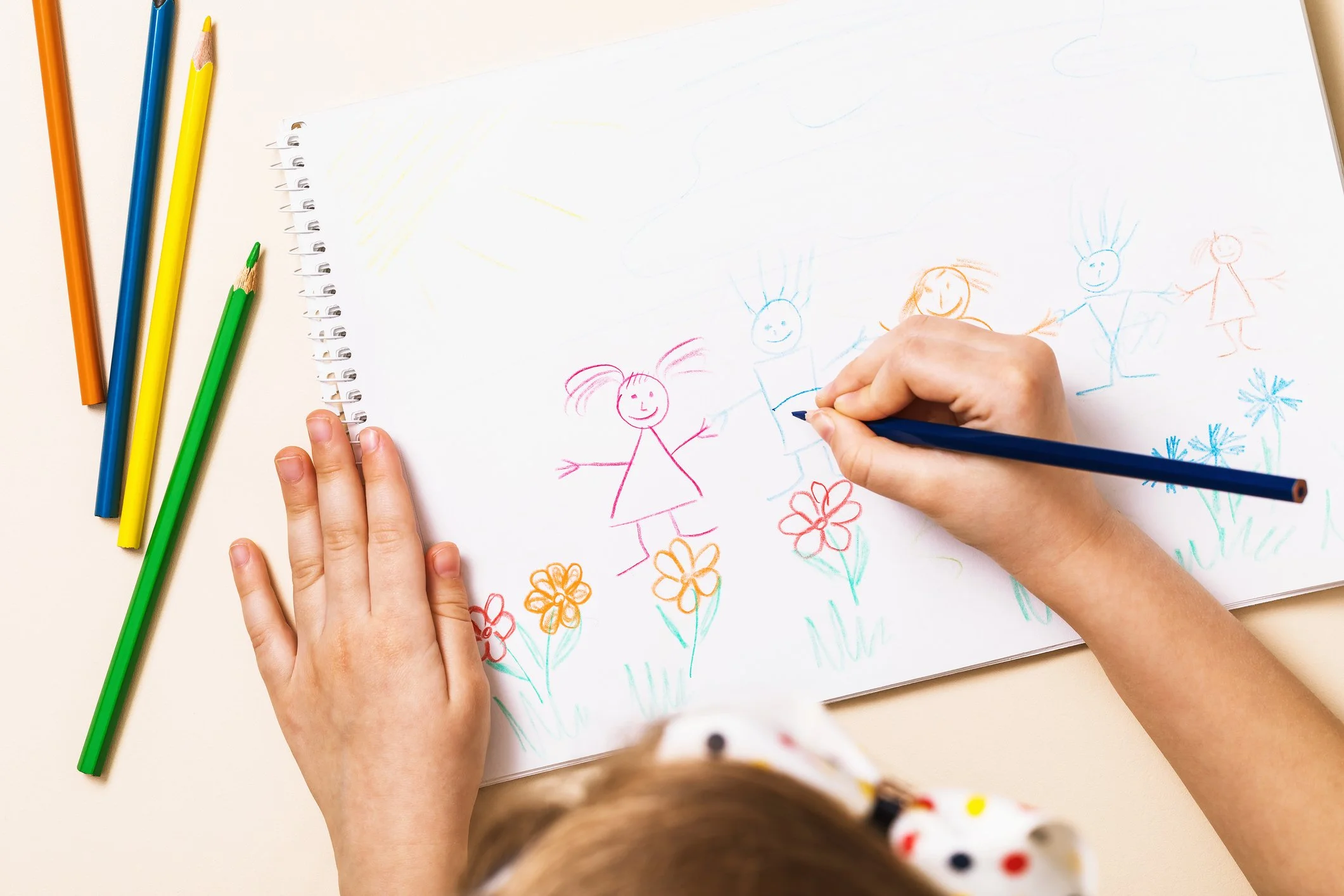
Before writing, children need to develop control in their fingers and hands for drawing, colouring and eventually writing letters. Without well developed fine motor control, children may struggle to form letters, keep them within the lines or write at a pace that matches classroom demands. Practise using different drawing tools such as different shaped crayons, and pencils and textas of varying thickness to help support pencil grasp development. Encourage activities like dot-to-dots, mazes and name tracing to support pencil control and precision.
Why Motor Skills Matter
Motor skills do more than support handwriting. They help children participate in daily routines, build independence and feel confident in their abilities. Without foundational motor skills, writing can become tiring and frustrating, affecting academic progress and classroom engagement.
At Moving Mountains Village, our occupational therapists support families with school readiness by helping build these essential skills through playful, developmentally appropriate therapy.
If you would like to learn more about how we can support your child’s transition to school, reach out to our team at hello@movingmountainsvillage.com.au