
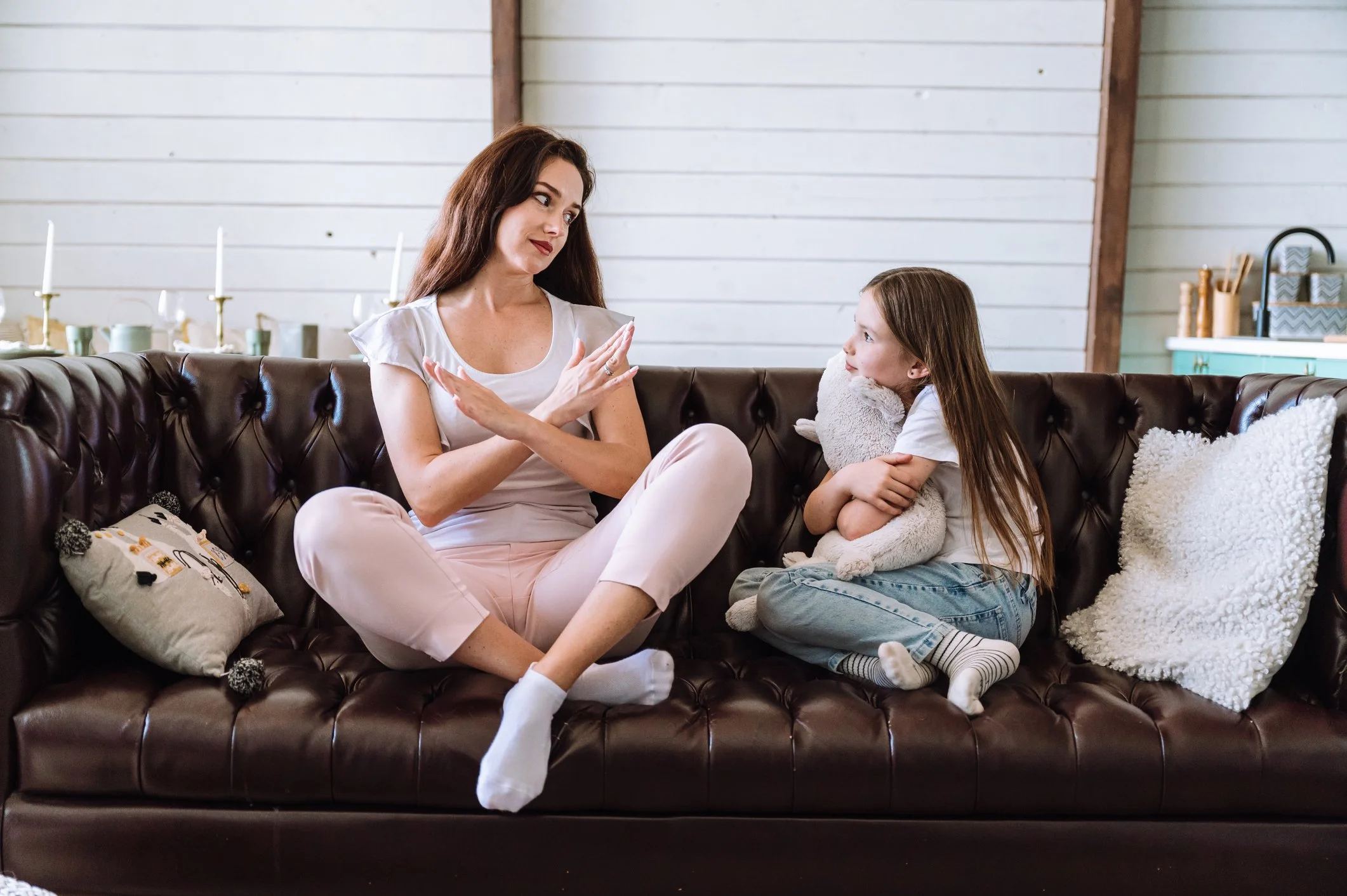
Can You Be Firm and Connected At The Same Time?
Setting boundaries doesn't mean choosing between being kind or being firm. Explore how Circle of Security helps parents respond with empathy, confidence, and consistent boundaries.
Many parents worry they're getting it wrong.
"Am I being too soft?"
"Should I be stricter?"
"Can I set boundaries without upsetting my child?"
The good news is that connection and boundaries don't compete with each other, they work together.
One of the key ideas behind Circle of Security is that children need both. They need the security of knowing someone understands how they feel, and they need the safety that comes from clear, consistent boundaries.
When children feel seen and understood, they're often much more able to accept guidance.
Imagine it's time to leave the park. Your child becomes upset and refuses to leave.
Instead of jumping straight to, "Come on, we're leaving," you might first acknowledge what they're feeling:
"You're having so much fun and you're disappointed it's time to go."
The boundary hasn't changed, you still need to leave. But by recognising your child's feelings first, you're helping them feel understood before guiding them through the transition.
This doesn't mean saying yes to everything or avoiding difficult emotions. In fact, it's the opposite.
Children benefit from knowing that their feelings are always welcome, even when some behaviours aren't.
Strong boundaries delivered with warmth and empathy help children feel safe. They learn that someone is in charge, while also knowing their emotions matter.
Of course, no parent gets this balance right all the time.
There will be moments of frustration, raised voices, or disconnection. That's part of parenting. What matters most is what happens next. Repairing the relationship after a difficult moment teaches children that relationships can recover from mistakes and that connection doesn't disappear when things get hard.
A simple reminder
You can acknowledge your child's feelings and hold the boundary.
Connection doesn't replace boundaries—it makes them easier for children to accept.
How Circle of Security can help
Circle of Security gives parents practical tools to balance connection and boundaries with confidence. You'll learn how to respond with empathy, set clear limits, and strengthen your relationship with your child through everyday parenting moments.
If you'd like to learn more, register your interest for our next Circle of Security group. We'd love to support you on your parenting journey.
Reach out to our team on 8541 1416 to find out more about our next Circle of Security Group or complete an this form here to express interest
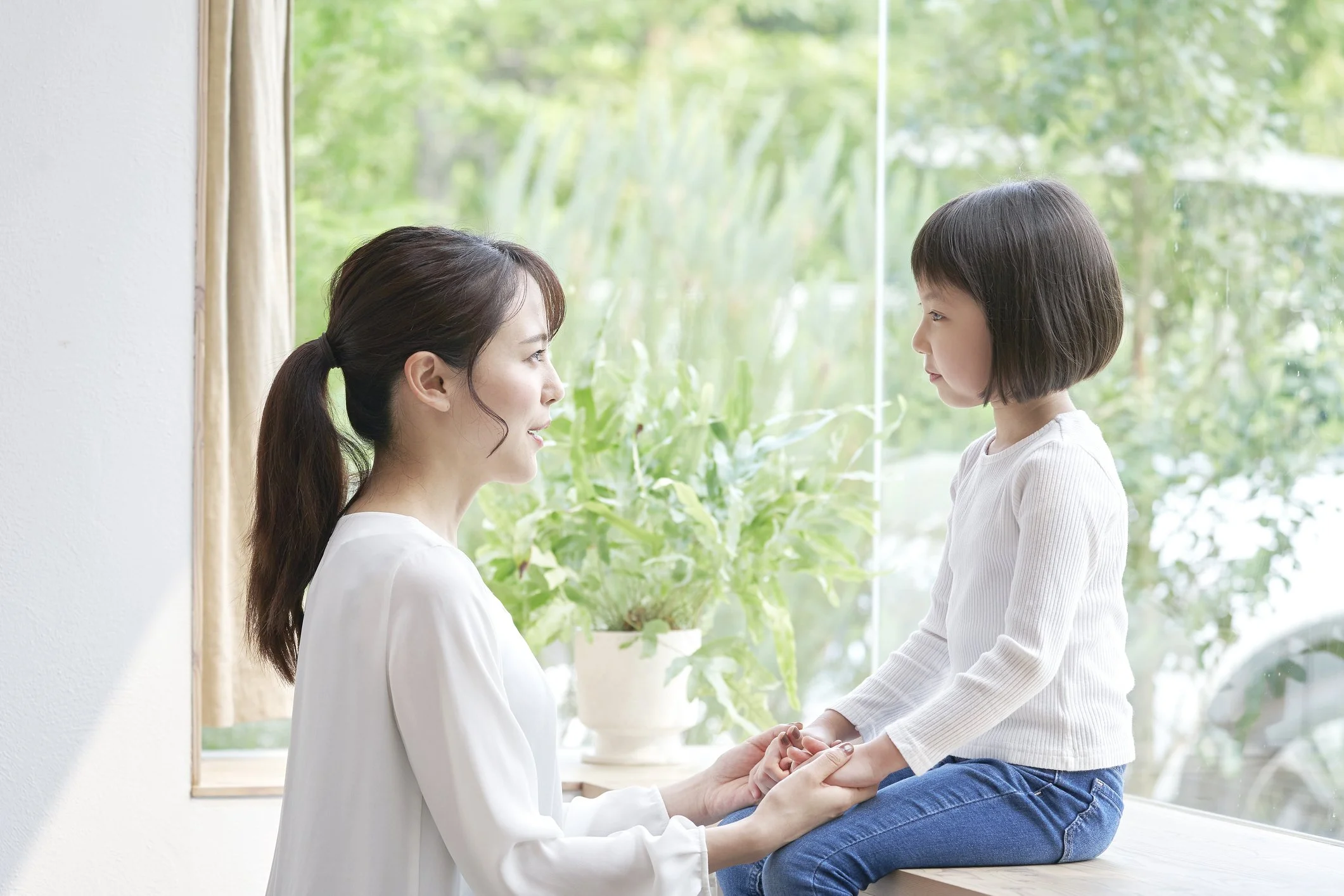
Circle of Security: Helping Your Child Build Emotional Regulation
Big emotions don't need fixing. They need understanding. Discover how Circle of Security helps children build emotional regulation through connection, co-regulation, and secure relationships.
Does your child seem to have big emotions over little things? Do they struggle to calm down after becoming upset, frustrated, or overwhelmed?
If so, you're not alone.
Many parents worry that their child should be able to "calm themselves down." In reality, emotional regulation is a skill that develops over time. Children aren't born knowing how to manage big feelings—they learn through the support of the adults who care for them.
One of the key ideas in Circle of Security is that children learn emotional regulation through co-regulation. This simply means that before children can regulate their own emotions, they first need to experience a calm, supportive adult helping them through difficult moments.
When your child is overwhelmed, the thinking part of their brain isn't working at its best. In those moments, reasoning, correcting, or expecting them to "just calm down" is unlikely to help.
What they need first is you.
Sometimes that looks like sitting quietly beside them. Sometimes it's using a calm voice, offering a hug, or simply letting them know, "I'm here with you." As they begin to feel safe again, they're much more able to listen, solve problems, and learn from the experience.
Over time, these repeated moments of support become something children begin to do for themselves. They slowly develop the ability to recognise their emotions, recover from setbacks, and manage life's challenges with greater confidence.
It's also important to remember that every child regulates differently. Some children seek closeness, while others need a little space before they're ready to reconnect. Getting to know what helps your child feel safe and supported is one of the most valuable things you can do.
A simple reminder
When your child is having a hard time, ask yourself:
"Do they need me to solve the problem, or do they need me to help them feel safe first?"
Often, connection comes before learning.
How Circle of Security can help
Circle of Security helps parents understand how children develop emotional regulation and provides practical ways to support them through everyday challenges. By learning to recognise your child's emotional needs and respond with confidence, you can strengthen your relationship while helping them build lifelong emotional skills.
If you'd like to learn more, register your interest for our next Circle of Security group. We'd love to support you on your parenting journey.
Reach out to our team on 8541 1416 to find out more about our next Circle of Security Group or complete an this form here to express interest
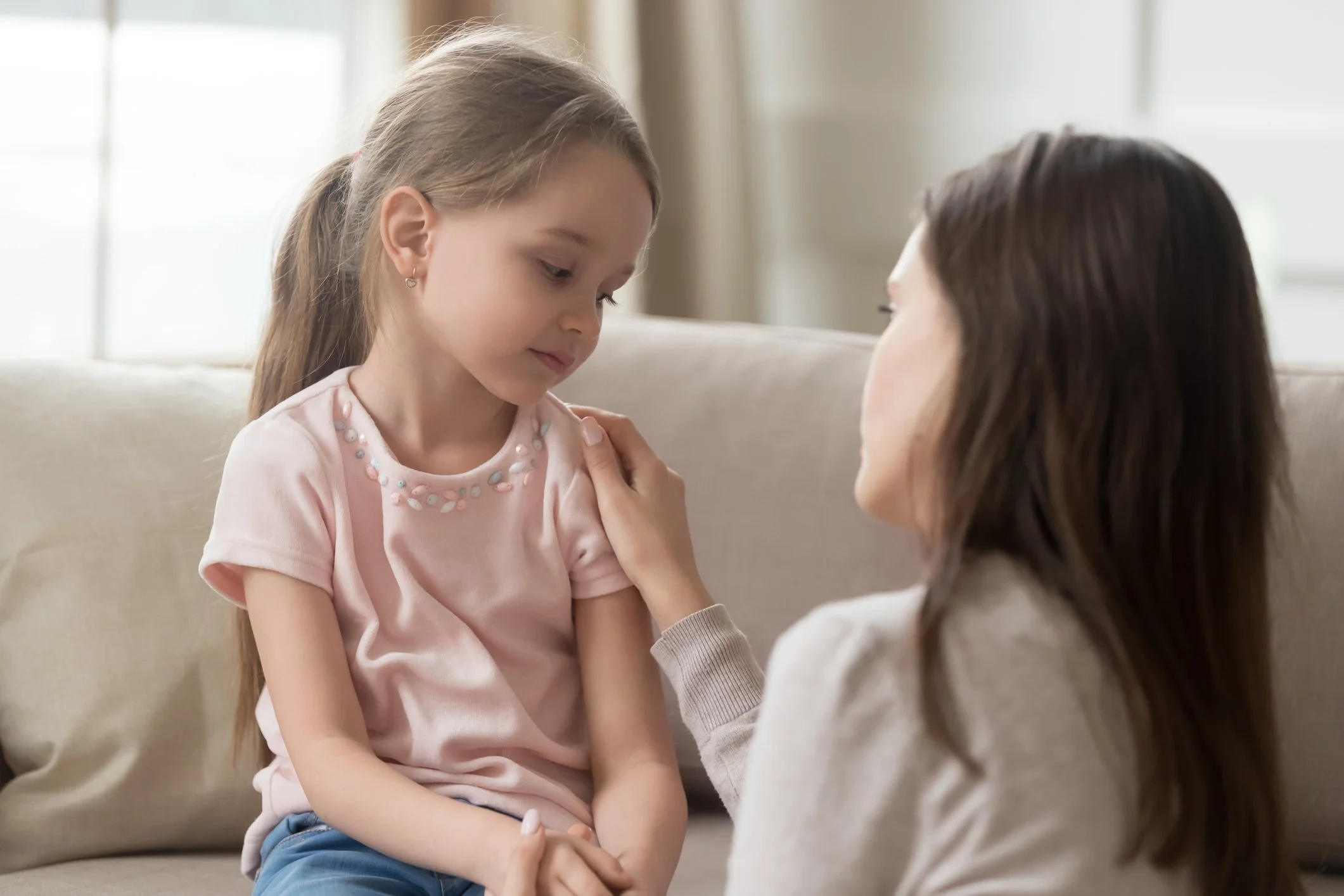
Understanding Connection & Exploration
Behaviour is communication. Discover how Circle of Security helps parents and caregivers understand the meaning behind challenging behaviour, strengthen connection, and support children's emotional development.
Your child refuses to put their shoes on. They burst into tears when it's time to leave daycare. They hit their sibling over something that seems tiny.
In those moments, it's easy to focus on stopping the behaviour.
But what if the behaviour is actually telling you something?
One of the key ideas behind Circle of Security is that behaviour is communication. Children don't always have the words or emotional skills to explain what's happening inside them. Instead, they show us through what they do.
A child who refuses to get dressed may not be trying to be difficult. They might be feeling overwhelmed by the morning rush. A child who becomes loud and silly may be looking for connection after a busy day. A child who clings at school drop-off may be telling you they need a little more support to feel safe.
When we begin to look beneath the behaviour, we often discover a need rather than a problem.
This doesn't mean every behaviour is acceptable. Children still need clear boundaries and guidance. But when we understand what they're communicating, we can respond in ways that help them feel both safe and supported while teaching them more appropriate ways to express themselves.
Over time, these moments help children build emotional awareness. They begin to recognise their feelings, trust that someone will help them when emotions become overwhelming, and gradually develop the skills to communicate their needs with words instead of behaviour.
A simple shift you can try
The next time your child's behaviour feels challenging, pause and ask yourself:
What might my child be feeling?
What are they trying to communicate?
What do they need from me right now?
You won't always know the answer, and that's okay. Sometimes simply becoming curious instead of reactive can change the way the interaction unfolds.
How Circle of Security can help
Circle of Security helps parents and caregivers understand the emotional needs that sit beneath children's behaviour. Rather than focusing only on changing behaviour, you'll learn practical ways to strengthen your relationship, support your child's emotional development, and respond with confidence.
If you'd like to learn more about understanding your child's behaviour and building a secure relationship, we'd love to support you. Register your interest for our next Circle of Security group, and we'll be in touch when registrations open.
Reach out to our team on 8541 1416 to find out more about our next Circle of Security Group or complete an this form here to express interest
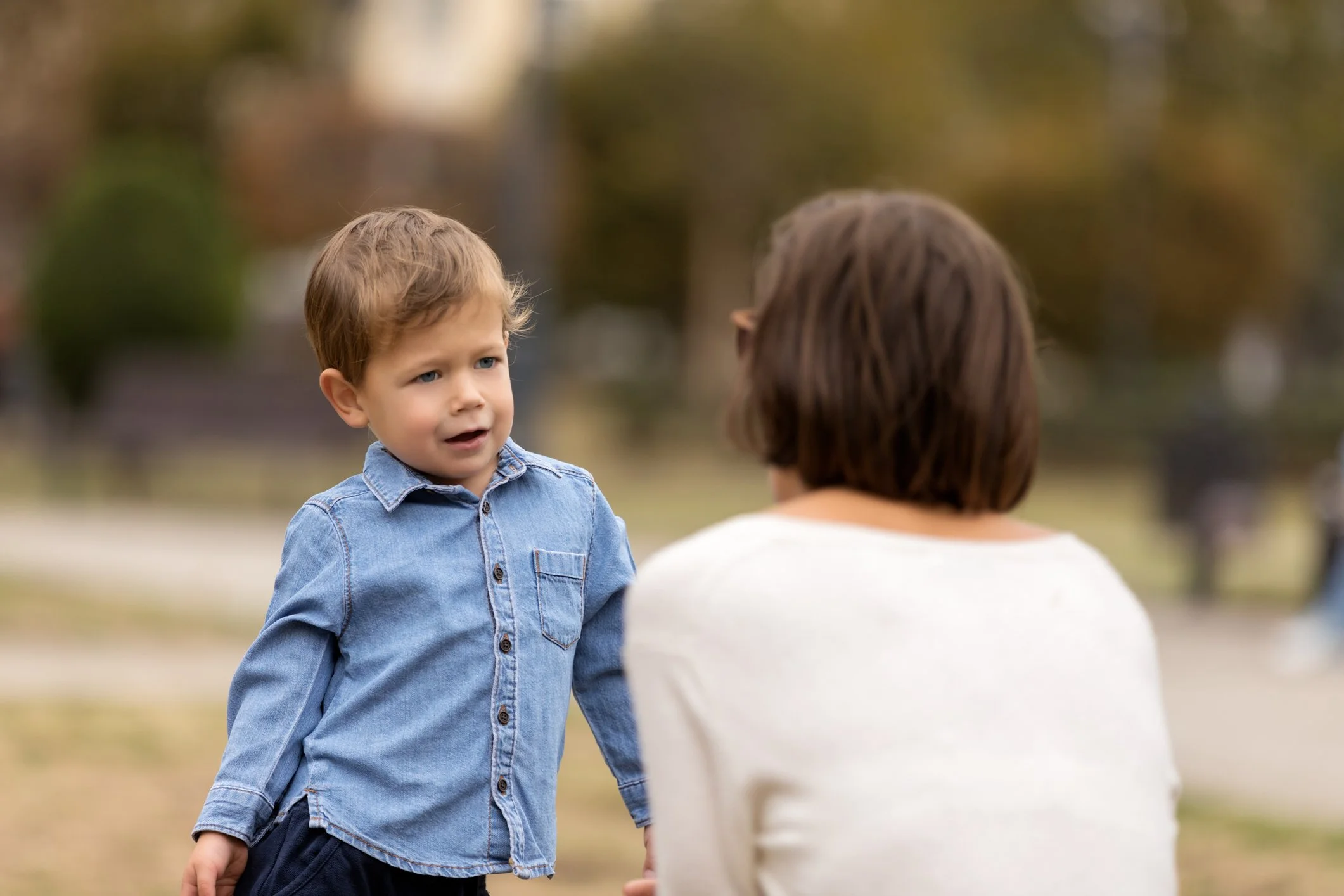
Understanding Connection & Exploration
Ever wondered why your child moves between wanting to explore independently and needing connection with you? Learn how the Circle of Security explains this natural pattern and why it plays such an important role in building confidence and independence.
Have you ever wondered why your child keeps coming back to you while playing?
One minute your child is happily playing on their own. The next, they're calling your name, asking you to watch them, climbing onto your lap, or needing a quick cuddle before heading back to play.
It can leave many parents wondering:
"Why won't they just keep playing?"
"Are they becoming too dependent on me?"
While it might seem like your child is becoming more reliant on you, these moments are often a sign of something quite different. They are part of a natural pattern that helps children build confidence, resilience and independence.
Understanding the Circle of Security
The Circle of Security is a relationship based framework that helps us understand one of the most important patterns in child development. Children naturally move between two core needs: exploration and connection.
What is exploration?
Exploration is much more than simply playing independently. It includes trying something new, solving problems, taking on challenges, interacting with others, learning new skills and developing confidence in everyday activities.
Whether your child is climbing at the playground, attempting a puzzle, making a new friend, trying a different food or learning to get dressed independently, they are exploring. Through these experiences, children develop confidence, resilience and a growing belief in their own abilities.
What is connection?
Connection is what helps children feel emotionally safe and supported. It is the relationship they have with a trusted adult that allows them to return, recharge and feel reassured before heading back out to explore again.
Connection can look different for every child. It might be a cuddle after a fall, making eye contact across the room, bringing you a drawing to admire, asking for help, wanting you to watch them jump, or simply checking that you're still nearby.
These moments aren't interruptions to your child's independence. They're an important part of how independence develops.
Children naturally move between exploration and connection throughout the day. The more secure they feel in their relationship with a trusted adult, the more confidence they often have to try new things, solve problems and explore their world.
Connection isn't the opposite of independence. It's what helps build it.
What this can look like in everyday life
Many parents and educators see this pattern every day, often without realising what is happening.
You might notice a child who:
Runs back for a quick hug before returning to the playground.
Calls out, "Watch me!" while playing independently.
Brings every drawing over to show you.
Seems confident at preschool or school but becomes clingy once they're home.
Frequently checks that you're still nearby before continuing to play.
These behaviours aren't necessarily signs that a child lacks confidence. More often, they're checking that their safe base is still there before continuing with their exploration.
Why some days look different
Every child moves around the Circle differently.
Their temperament, developmental stage and previous experiences all play a role. Their need for connection may also increase during times of change, such as starting school, welcoming a new sibling, moving house, illness, disrupted sleep or changes in routine.
On these days, children often need a little more reassurance before they feel ready to explore again.
Understanding this pattern can help us respond with greater confidence and compassion, rather than wondering whether we've done something wrong or worrying that we're encouraging dependence.
What this means for parents and educators
You don't need to entertain your child every minute or solve every challenge for them.
Instead, focus on being a safe base they know they can return to.
Sometimes that moment of connection is all they need. It might be a smile across the room, making eye contact, listening as they proudly show you what they've built, or offering a quick hug before they head back to play.
By responding with warmth and availability, you're not creating dependence. You're helping your child feel secure enough to continue exploring, learning and developing confidence in their own abilities.
When extra support may help
Some children find it harder to move comfortably between connection and exploration. They may become highly anxious when separating from caregivers, struggle to explore independently, or avoid seeking comfort altogether when they are upset.
Understanding what your child's behaviour is communicating can make everyday interactions feel less confusing and help you respond in ways that strengthen your relationship over time.
Reach out to our team on 8541 1416 to find out more about our next Circle of Security Group or complete an this form here to express interest